is sustainable Hoa
Rapid round table: always innovate in sustainable capacity
Quality and innovation are the driving forces that make us a key player in the flooring industry. We not only continuously improve our products in terms of design and performance, but also in terms of sustainability. Read all about our efforts in circularity, energy savings and emissions control.
Pioneering in the circle
Sustainability in our DNA
Unilin - the team behind Quick-Step - is a pioneer in the circular economy. In 1960, we introduced flax straw - a biological waste stream from the flax industry - for the production of particleboard. From that moment on, renewable raw materials have always been at the heart of our business: from flax straw to reclaimed wood.
Second life with wood
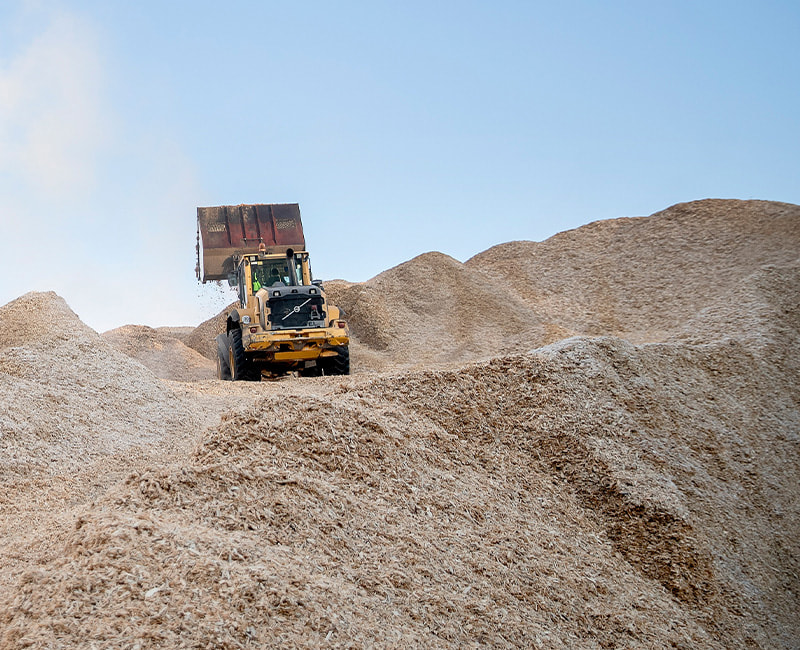
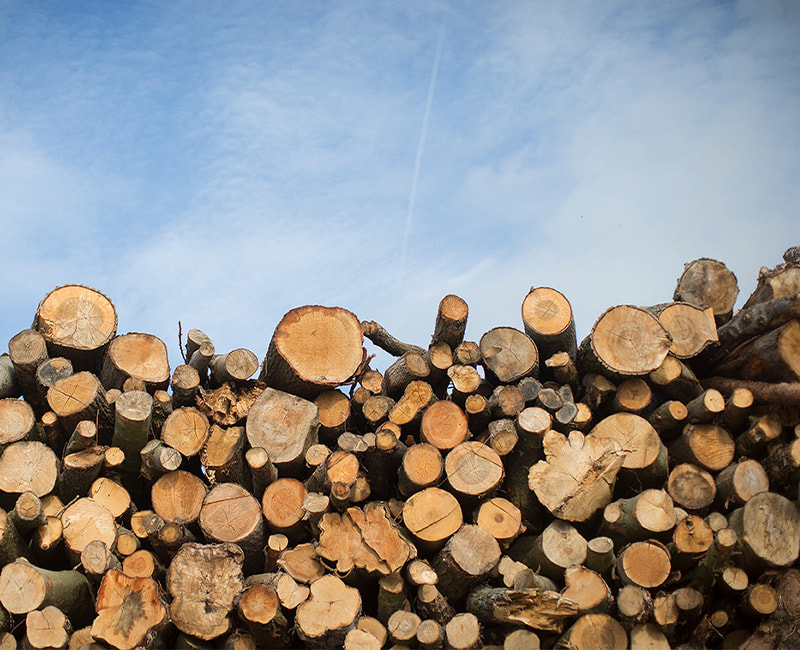
Continued exploitation of new materials is clearly unsustainable. That's why the core wood of Quick-Step laminate and flooring contains only reclaimed wood. This is wood obtained from mills, sustainable forest management, road maintenance... that would otherwise be burned or discarded.
Maximum utilization of raw materials
Because trees play an important role in combating climate change and stimulating biodiversity, we must care for them carefully. That's why we only use slow-growing tree species, such as oak, in the top layers of wooden floors. The core of laminate and wood flooring consists of wood from fast-growing trees (etc, hevea...) or a thick wood fiber board (HDF) made from reclaimed wood. For Variano and Intenso woods, we create unique designs using small pieces of wood that would otherwise go to waste. That's how we make the most of every type of plant.
Sustainable forest management
Sustainable forest management involves harvesting trees with the aim of protecting the planet and biodiversity, preventing trees from being cut down at a faster rate than new trees are planted. We maximize the use of thin wood, which is wood that needs to be harvested to keep the forest healthy - such as small or bent trees that can hinder the growth of other trees - but is perfectly suitable for paving. By using Wood from sustainably managed forests, we are certain that our wood sourcing does not contribute to
Transparent vinyl
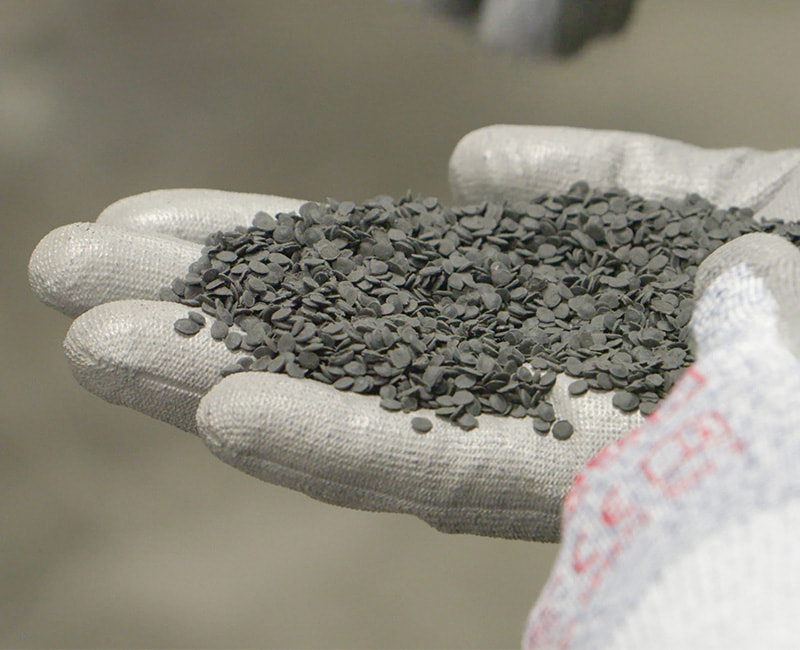
Besides chalk - a widely available material - and internally recycled PVC, around a quarter of Quick-Step vinyl flooring is made of 'virgin' or new PPC resin, which is made from chlorine (common salt) and ethylene (crude oil). We are very aware that oil is a non-renewable resource, which is why we pay special attention to the development of vinyl floors that can be used for a very long time, up to 25 years.
Focus on doing better
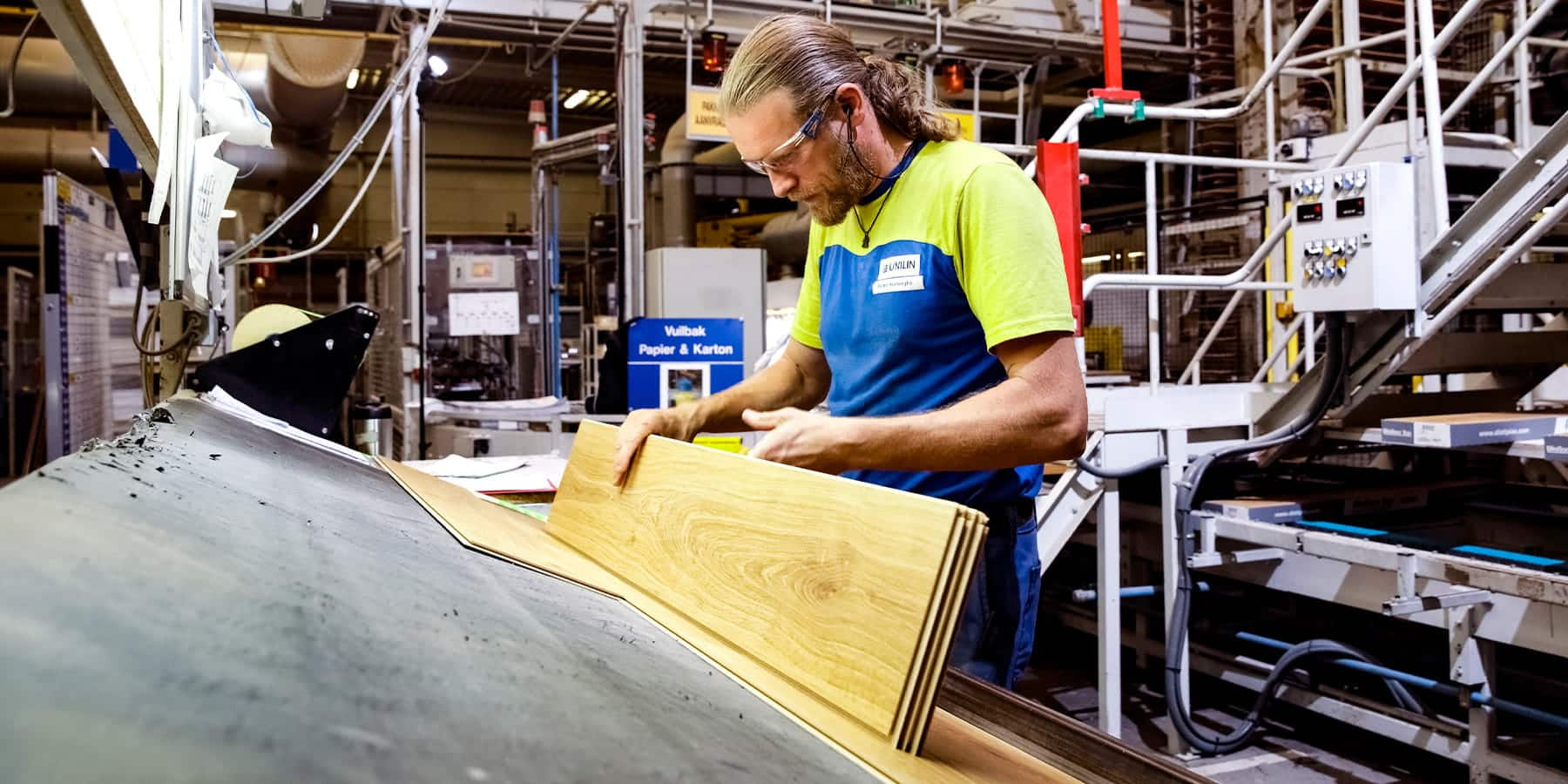
From the design stage, we ask the right questions to optimize the sustainability of the floor. What chemicals make recycling difficult? What raw materials can be substituted? How to extend the product life cycle? R group & D seeks better answers to these stories every day to continue improving our floor recycling capabilities.
Respect our planet
Fight global warming
To limit the consequences of global warming, challenging climate targets have been set in Paris Agreement to limit global warming to a maximum of 1.5°C. Unilin – the team behind Quick-Step – has decided to take all possible measures to contribute to the most ambitious scenario of 1.5°C by 2050. Science-based goals - a third-party initiative promoting best practices in this fight. Strong action by 2030 is vital, which is why we have set ambitious short-term targets that will be followed by a gradual path towards net-zero emissions by2050.
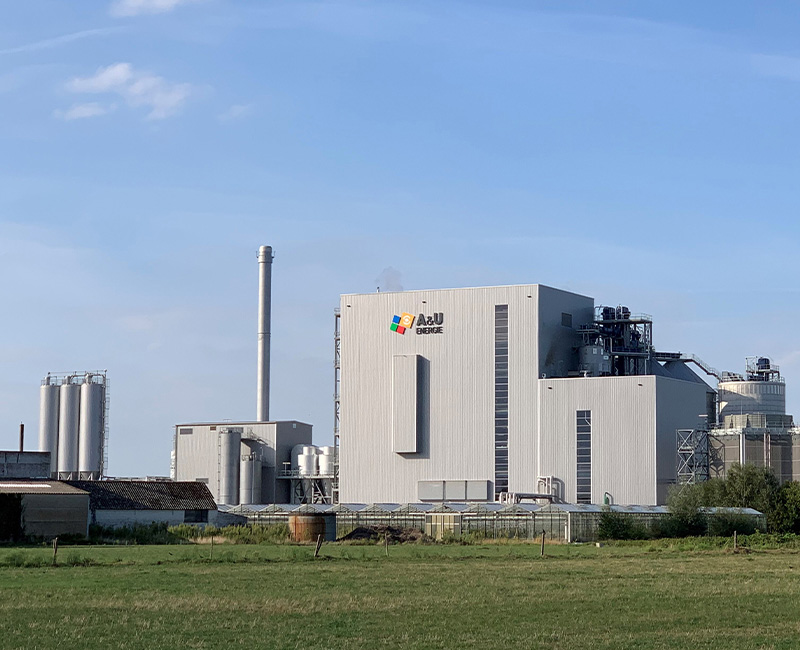
Half of our group's output is powered by renewable energy.
renewable energy
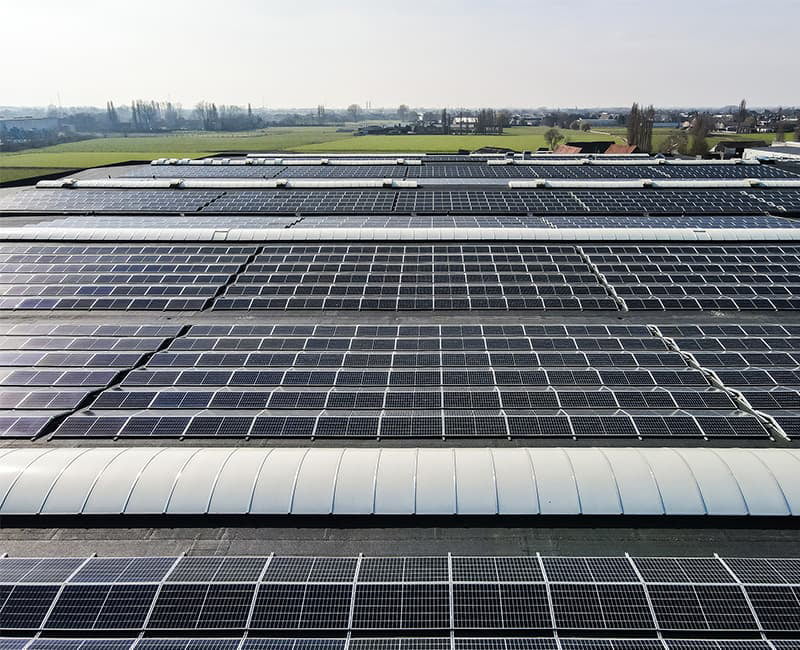
Unilin has invested in two biomass plants to convert wood dust and non-recyclable wood waste into green energy. This energy serves our own production processes - the rest is only made available to the public afterwards. Furthermore, we rely on energy from windmills and solar panels. As a result, around half of our group's output is powered by renewable energy to this day.
European Energy Efficiency Program
Unilin participates in the European Energy Efficiency Program with most of our manufacturing plants in Belgium. This program ensures that all energy saving measures are identified and implemented, and that energy use is monitored and managed on a daily basis. Saving as much energy as possible and maximizing the use of renewable energy is the main goal.
Clean air
Low emission floor
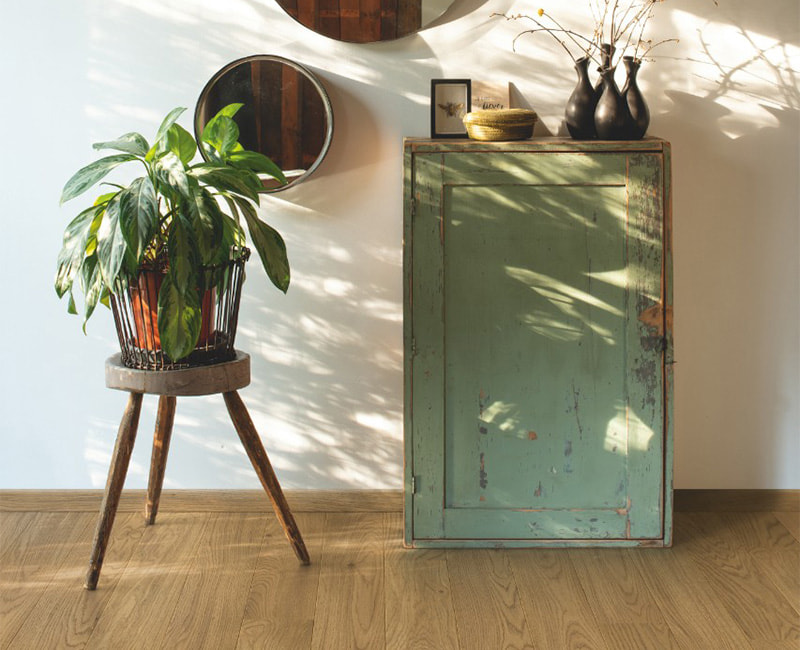
Most of your life happens indoors, which is why the air quality in your home is extremely important. Many factors have an effect on it: ventilation, candles, cleaning agents, and even the materials used in your interior, such as flooring. We minimize emissions of harmful substances by making our floors as indoor as possible, which means we know exactly what materials it contains.
Minimum VOC emission
Thanks to our in-house production, we managed to minimizes the dispersion of VOCs (volatile organic compounds), are organic chemicals that have a high vapor pressure at room temperature. An example of a VOC is formaldehyde and is also emitted from wood. Our formaldehyde emission status Laminate and wood flooring is meaningless and is significantly lower is more than EU standard - with vinyl floors, no formaldehyde detected. This is reflected in A (Wooden house) A + (laminate, vinyl) and M1 (laminate, vinyl) label.
Our trademarks and certifications
Unilin complies with all legally regulated health and environmental standards. But as a key player in the flooring industry, we take our responsibility seriously and go beyond regulations to prepare for future challenges. That's why we go even further by voluntarily achieving various optional certifications.
-
A & A +
-
M1
-
PEFC
-
EU environmental
-
EPD
-
Nordic swan label
Our efforts on product level
We apply specific environmental protection measures to various products. Read all about how laminate, wood and vinyl floors are made.